
Category: Sunday sketch
Sunday sketch #256
It’s autumn in Australia. Leaves changing colour, blowing everywhere, scrunching underfoot.
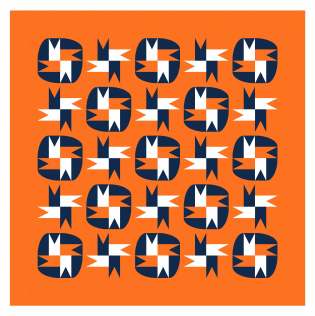
It felt like a good time for some triangles!
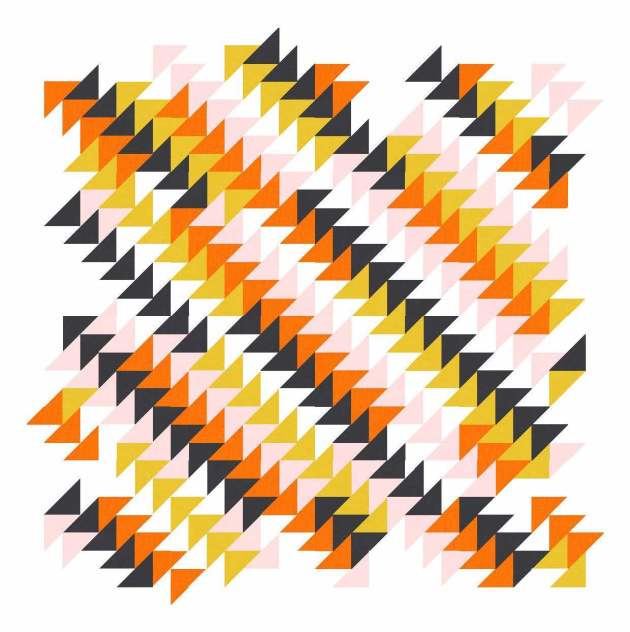
There’s a few ways this design could be translated into a quilt. I think it would work best with foundation paper piecing using freezer paper templates. You could make the templates as long as you like, and just keep adding to them. Otherwise, you could turn the whole design on point and make it using half-square triangles, but that would introduce a lot of extra seams. You could do flying geese instead, but you’d still have some extra seams (just half as many). Or you could use templates for the triangles, and just piece them in diagonal rows, then match the rows up carefully so all the triangles are aligned.
Like I said, I think it would work best with freezer paper piecing 🙂
Sunday sketch #255
I love the look of skinny strips in quilt piecing. A few quilters have used this technique to great effect recently – Steph Skardal has done a bunch of stuff with straight strips, while Jenny Haynes (also known as Papper Sax Sten) has mastered curvy strips. (I’m hoping to take one of Jenny’s workshops soon!) And lately I’ve discovered Sarah Bond using angled strips to create elongated triangles and diamonds. Sarah’s been running workshops on her technique recently: check out #precisionpieceddiamonds on Instagram. (As much as I love seeing quilt teachers’ own work, it’s even better seeing the amazing variety in their students’ work – which I also think is a sure sign of a good teacher.)
Anyway… I was playing with long strips recently, and created this week’s diamond-y designs. I didn’t set out to recreate Sarah’s approach, but given the similarities, I just had to reference her work.
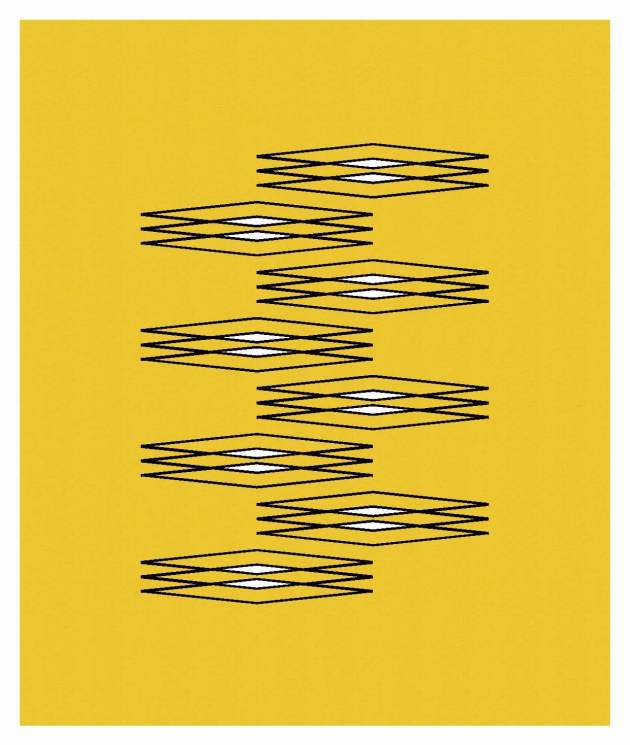
In my case, I’ve overlapped the large diamond shapes, which creates smaller secondary diamonds. They can be coloured in differently for effect, or left ‘blank’.
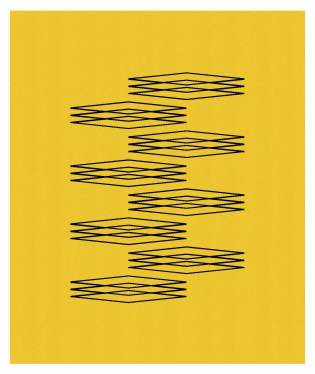
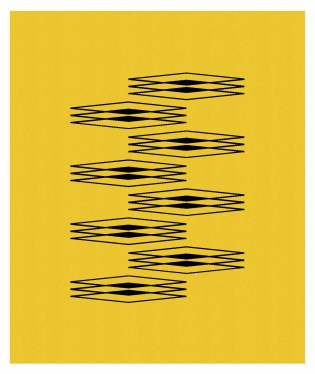
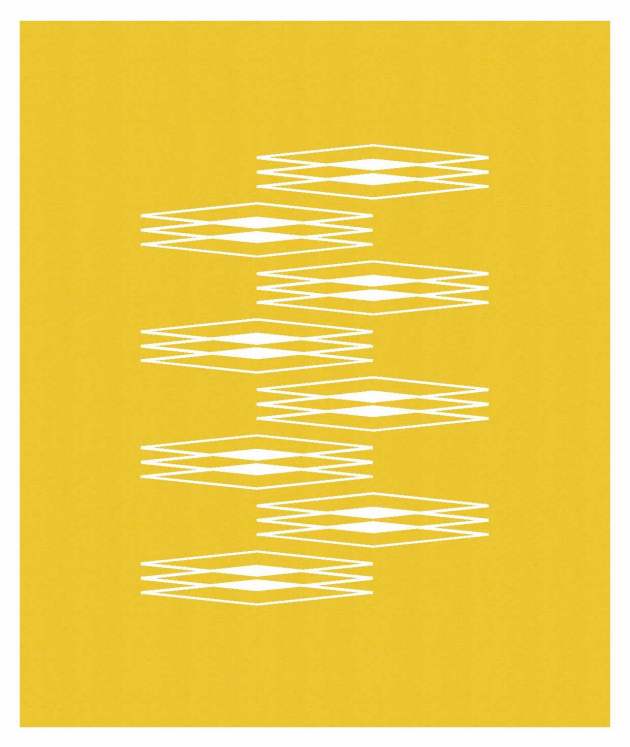
Even with a limited palette, there are plenty of combinations and permutations of colour – for the strips themselves and the shapes they enclose.
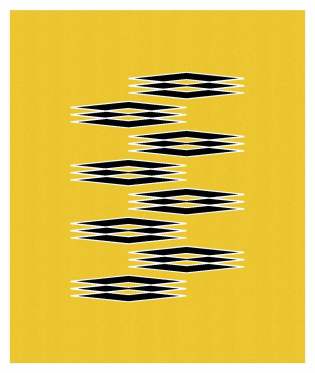
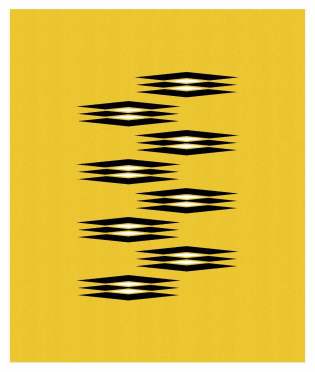
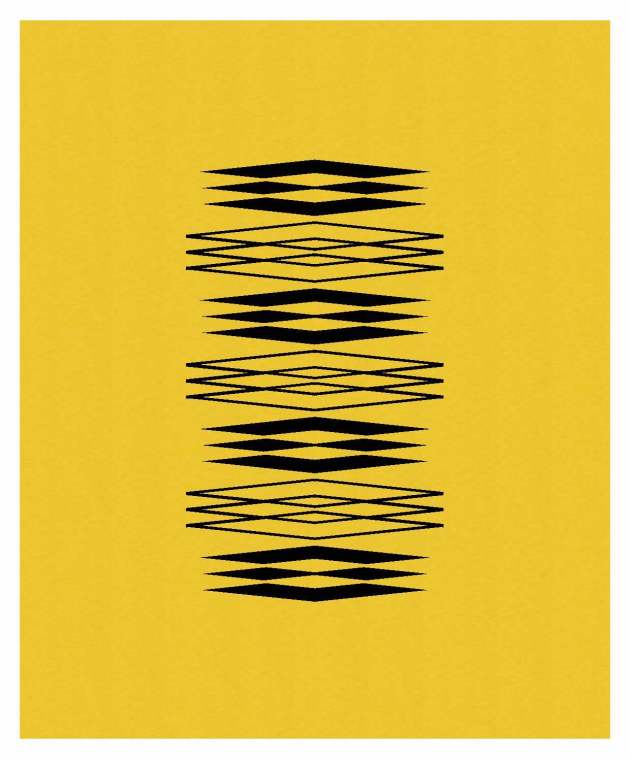
But sometimes simple is best.
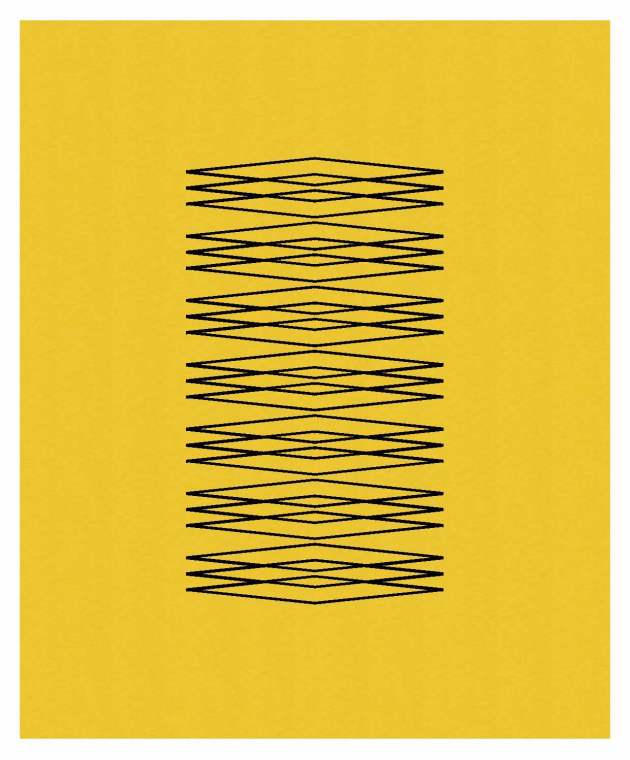
I’ve never actually sewn with skinny strips – I kinda assume I wouldn’t get them as straight or precise as I’d like (and even the slightest smidge of wonkiness would drive me nuts). But I think the best way to do these would be using paper piecing. If you’re interested, you should check out workshops and tutorials from Sarah Bond, Jenny Haynes and Steph Skardal!
Sunday sketch #254
Recognise the pinwheel flags from last week? Here’s where they started.
I’ve been playing with elongated curves lately. I was prompted by the oval drunkard’s path templates from Jenny Haynes / Papper, Sax, Sten, which I got awhile back. They’re 2:1 curves, so twice as high as they are wide (standard drunkard’s path blocks are 1:1 – the same width and height).
I wasn’t sure how to make 2:1 curves in Electric Quilt, but I figured out that you can draw a standard curve, then select it and drag it the box around it to create new dimensions. I’m not sure I got the dimensions quite right in this design, but I got sidetracked by the concept of using curves in this way. It’s a concept I’ve tried a few times recently – you might’ve seen Sunday sketch #251, and I’ll post some other designs like this in the future.
Anyway – alternating blocks help to introduce a bit of negative space, so the whole design doesn’t feel too crowded.
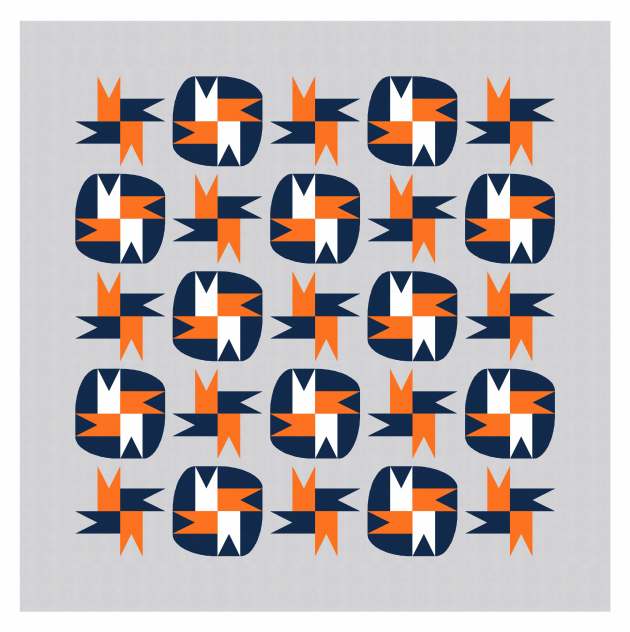
The great thing about a four-colour palette is how many combinations are possible. Here are a few.


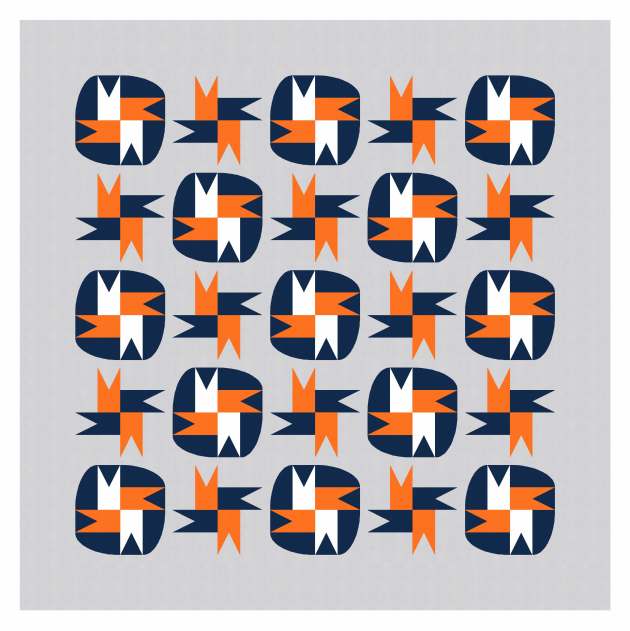
It gives a slightly different feel to the design if you switch the order of the alternating blocks, so that the curved blocks are in the corners.
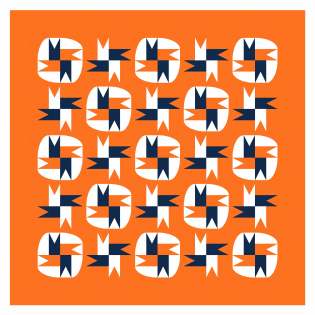
I used sashing between the blocks, so it’s possible to use all curved blocks throughout the design without making it feel too crowded…


…but I still prefer the alternating arrangement of curved and non-curved blocks.
I love the oval drunkard’s path shape! It lends a bit of wonkiness and an informal feel to the overall design. I’m looking forward to trying out the Papper, Sax, Sten templates and coming up with more curvy designs. This one could be made using the templates, triangle-in-a-square units, and squares.
